The installation phase is just as important as the design and manufacturing stages and that’s why it’s crucial you only work with teams who know exactly what it takes to perform this task correctly. Even the most precisely engineered tank can face serious operational issues if it is not installed correctly.
Proper tank installation ensures the equipment operates safely, efficiently and in full compliance with industry standards. For industries such as mining, oil and gas, chemical processing, food production, water treatment and manufacturing, the stakes are high. Incorrect installation can lead to structural failures, leaks, safety hazards, production downtime and expensive repairs.
At Brisbane Tank Manufacturing our experienced installation specialists ensure that every tank is installed to the highest engineering and safety standards.
Site Preparation and Assessment
Before a tank arrives on site, careful preparation is required to ensure the installation area can support the structure and its operational requirements.
Site preparation typically includes:
Ground stability assessments
Concrete foundation or pad preparation
Drainage planning
Site access for transport and cranes
Utility and connection planning
Large industrial tanks such as storage tanks, frac tanks, and pressure vessels can weigh several tonnes when empty and significantly more when filled. The foundation must be engineered to safely support these loads while preventing settlement or structural stress.
Transport and Handling
Transporting large tanks from the manufacturing facility to the installation site requires careful coordination and specialised equipment.
Factors considered during this stage include:
Oversized load transport requirements
Safe loading and unloading procedures
Route planning and permits
Protective measures to prevent damage during transit
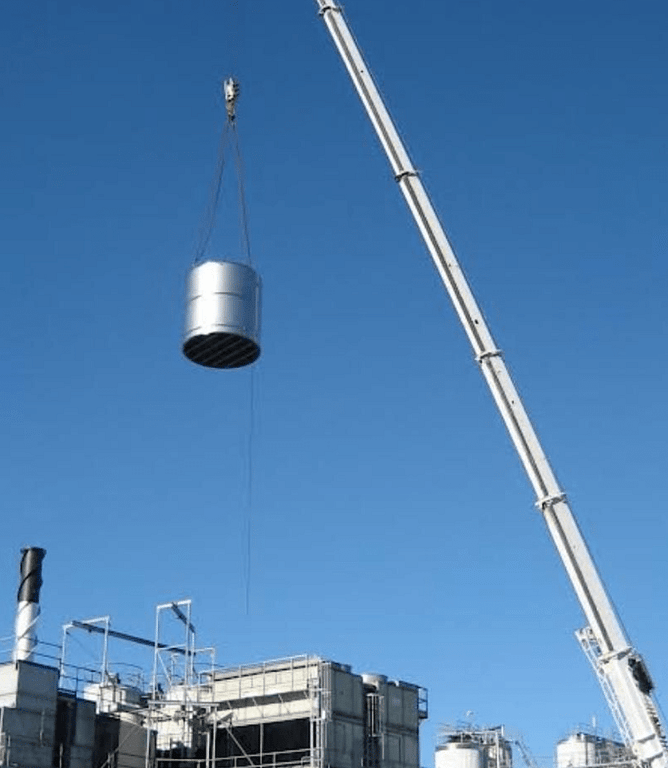
Once the tank arrives at the site, cranes or heavy lifting equipment are often required to safely position it. An experienced installation team ensures lifting procedures follow strict safety protocols and engineering specifications.
Tank Positioning and Placement
Correct positioning is essential for the safe and efficient operation of industrial tanks.
During this stage the installation team will:
Align the tank with foundation anchor points
Ensure the tank is level and properly supported
Secure anchor bolts and base plates
Verify structural alignment
For vertical storage tanks, mixing tanks, and pressure vessels proper alignment ensures internal components function correctly and structural loads are evenly distributed.
Improper positioning can cause operational problems such as uneven stress, vibration or premature wear.
Mechanical and Process Connections
Industrial tanks rarely operate in isolation. They must be connected to surrounding systems that support production processes.
This stage typically includes installation of:
Pipework and process lines
Valves and fittings
Pumps and transfer systems
Instrumentation and monitoring equipment
Safety systems and relief valves
Mixing or agitation equipment where applicable
For mixing tanks and pressure vessels, proper integration with process systems is essential to ensure safe operation and consistent performance.
Experienced installers ensure all connections are correctly aligned, sealed and pressure tested where required.
Compliance, Safety and Regulatory Requirements
Industrial tank installation must comply with strict industry regulations and safety standards. These can vary depending on the tank type, application, and operating environment.
Common compliance considerations include:
Australian Standards (AS)
Pressure vessel certification requirements
Workplace safety regulations
Hazardous material handling requirements
Inspection and certification procedures
Failing to meet these requirements can lead to operational shutdowns, legal penalties or serious safety risks.
A qualified installation team ensures every stage of the installation process meets regulatory standards and passes required inspections.
Testing and Commissioning
Before the tank becomes operational, it must undergo thorough testing and commissioning procedures.
This stage may include:
Hydrostatic pressure testing
Leak testing
Structural inspections
Instrumentation verification
System performance checks
For pressure vessels and process tanks commissioning is critical to confirm the tank can safely handle operating pressures and conditions.
Testing ensures any issues are identified and resolved before the tank enters full operation.
Ongoing Operational Support
A professional tank installation process doesn’t end when the tank is placed on site. Proper documentation, training and maintenance planning help ensure the tank continues to operate safely for years to come.
This may include:
Installation documentation and certifications
Operator guidance
Maintenance recommendations
Inspection schedules
Working with experienced tank manufacturers ensures ongoing support is available if future servicing, modifications or upgrades are required.
Trust Brisbane Tank Manufacturing for Professional Tank Installation
At Brisbane Tank Manufacturing, we specialise in the design, fabrication and installation of industrial tanks and pressure vessels across a wide range of industries.
Our experienced team works closely with clients to ensure every tank installation is carried out with precision, safety and full regulatory compliance.
From initial site preparation through to final commissioning we ensure every tank is installed for maximum performance, safety, and durability.
If you're planning a new tank installation project and want the confidence that comes from working with industry experts, contact Brisbane Tank Manufacturing today to discuss your requirements.