Fuel security might sound like a government or energy sector issue, but for Queensland businesses that rely on diesel and other liquid fuels, it is really also an operational issue.
Mining, agriculture, transport, earthmoving, aviation, manufacturing and countless other industries depend on reliable fuel supplies to keep people, machinery and supply chains moving. That makes fuel storage tanks an important part of the bigger conversation around resilience and fuel security.
And in 2026, that conversation has become particularly relevant.
Queensland is putting fuel storage firmly on the agenda
The Queensland Government has announced a Fuel Security Plan focused on strengthening the state’s ability to produce, refine and store fuel locally. A new Accelerating Fuel Infrastructure Program is also being used to identify opportunities to increase Queensland’s liquid fuel storage and refining capacity.
One example is the planned expansion of fuel storage at BP’s Bulwer Island facility in Brisbane, which is expected to add an initial 54 million litres of storage for diesel, gasoline and aviation fuels.
At a national level, the Australian Government is also consulting on measures including a proposed one billion litre strategic fuel reserve, with a particular focus on diesel and jet fuel, alongside increased minimum stockholding requirements.
The message is fairly clear - having fuel available when it is needed matters and that’s where our team of hand picked experts come in.
But fuel security isn't only about large terminals and national reserves. It starts much closer to home.
Reliable storage can give businesses greater control
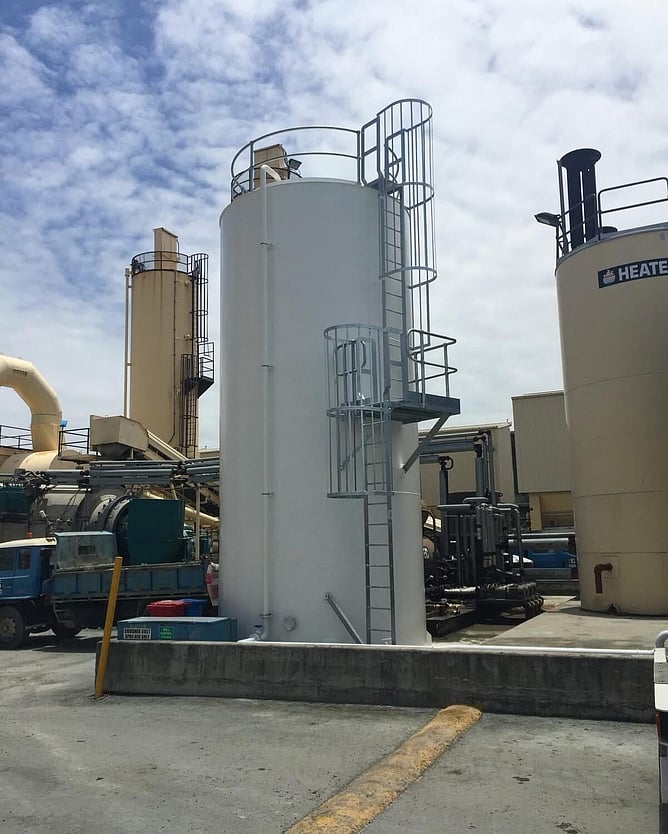
For an individual business, having appropriately designed diesel storage tanks on site can provide greater control over fuel availability and day to day operations.
For a mining or earthmoving operation, that could mean keeping heavy equipment moving without relying entirely on external refuelling.
For agriculture, it can mean having fuel available when seasonal conditions demand it.
For transport operators, it can help keep fleets moving and reduce unnecessary downtime.
And for industrial businesses, reliable on site fuel storage can become another layer of operational resilience when supply chains are under pressure.
Of course, storing fuel is not simply a matter of putting a tank on site and filling it up.
The tank itself matters
Fuel is a high risk product, which is why the design, materials, fabrication, testing and installation of a fuel storage tank need careful consideration.
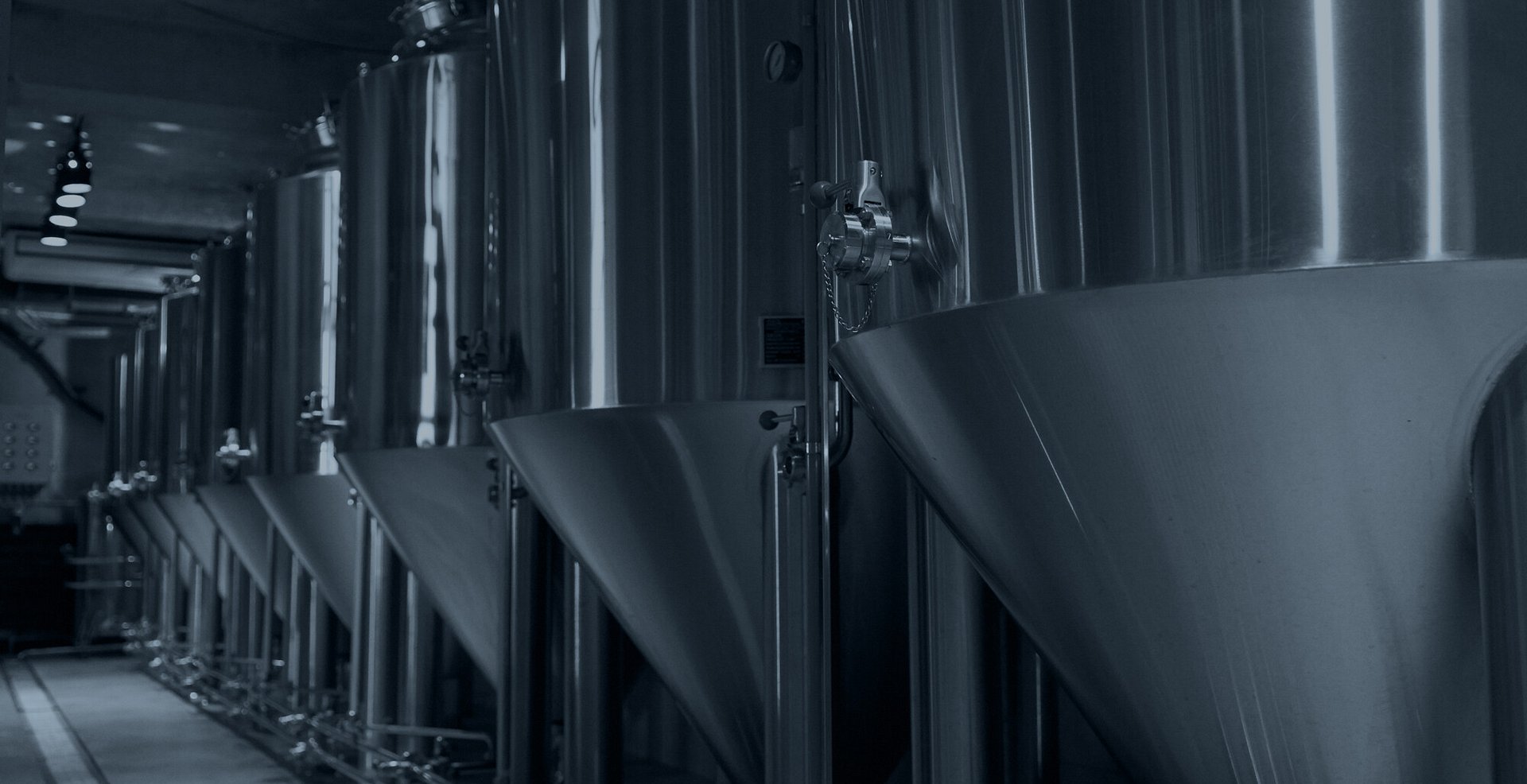
At Brisbane Tank Manufacturing, fuel storage tanks are custom designed and fabricated in stainless steel or carbon steel, with configurations and capacities tailored to the application. BTM's fuel tanks can incorporate features including secondary containment, leak monitoring, spill containment, overfill protection, baffles and specialised access arrangements.
We’ve been expertly manufacturing tanks since 1999, bringing decades of practical fabrication and engineering experience to projects across industries including petrochemical, aviation, automotive, mining and earthmoving.
That experience matters because the details matter.
A fuel tank needs to work reliably in the real world conditions of the site; not just look right on a drawing.
Looking beyond the immediate fuel price
Fuel security is ultimately about resilience.
For Australian businesses, that means thinking beyond what fuel costs today and asking a more useful question:
If supply becomes constrained tomorrow, how prepared is your operation?
A properly designed industrial fuel storage solution can form an important part of that preparation.
At Brisbane Tank Manufacturing we believe good tank manufacturing starts well before fabrication. It starts with understanding the application, the site, the fuel, the standards and the people who will rely on that tank for years to come.
Need a fuel storage solution designed around your operation? Talk to Brisbane Tank Manufacturing about your requirements because we love nothing better than talking tanks.